Student visa
What is a student visa in Japan?
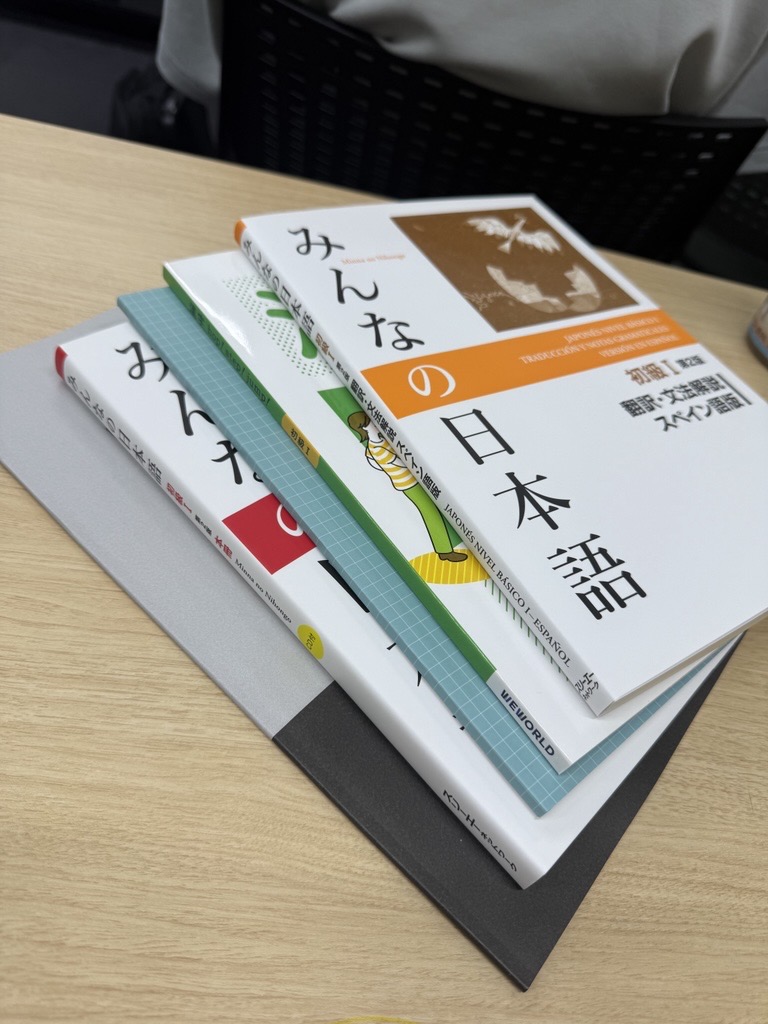
The Japanese student visa allows you to live in Japan while studying at an institution recognized by immigration authorities.
It is one of the most common ways to start a life in the country, especially to study Japanese.
Visa duration
Student visas in Japan are usually granted for periods of 6 months, 1 year, 1 year and 3 months, or up to 2 years, depending on the course and the school.
Before it expires, you can apply for an extension if you remain enrolled and meet the academic and financial requirements.
What type of studies can I take?
Language schools to study Japanese, vocational training or specialized schools, as well as universities or postgraduate programs.
The selected institutions must be able to apply for and issue the Certificate of Eligibility (COE); not just any school will qualify if it cannot issue it.
Certificate of Eligibility (COE)
Before applying for the visa, the school or educational institution in Japan submits a Certificate of Eligibility (COE) application to the Japanese Immigration Office on your behalf.
This certificate is essential: without it, a standard student visa cannot be processed.
The COE confirms that you meet the basic requirements regarding the course, institution, purpose, and length of stay.
Obtaining the COE usually takes several months, so it is recommended to start the process well in advance of the course start date.
Financial requirements
Immigration requires proof of sufficient financial resources to cover tuition, living expenses, and accommodation.
Recent bank statements and an approximate minimum amount per year of study are usually required.
If you are your own sponsor, you must prove sufficient funds or stable annual income.
In my case, I was asked to prove €9,000 in savings or an annual income above €11,000.
I only submitted a bank certificate showing the available balance at the time of application.
Can you work with this visa?
Yes. With the appropriate work permit, students may work up to 28 hours per week during the academic term.
During long vacations such as summer or winter, students may work up to 40 hours per week as long as class attendance is maintained.
Most common jobs for students
Most students start with simple jobs that do not require a high level of Japanese.
The most common jobs are in restaurants, convenience stores (konbini), factories, hotels, warehouses, or temporary event work.
Impact of Japanese language level
The type of job available largely depends on your level of Japanese.
Without Japanese, jobs are usually physical; with a basic level, cafés or convenience stores become accessible, and with an intermediate or higher level, customer service or hotel positions.

Typical wages
Hourly wages for students usually range between 900 and 1,200 yen, depending on the city, job type, and schedule. Some skilled jobs such as language teaching or translation can pay between 2,000 and 4,000 yen per hour.
Part-time work helps with daily expenses but is not intended to fully support you.
Important aspects to keep in mind
Class attendance is crucial, and frequent absences can affect visa renewal.
At each renewal, attendance, academic progress, and financial situation are evaluated.
Work and legal limits
Exceeding the legal working hours may result in visa cancellation.
A student visa does not guarantee staying in Japan; it is meant to study, adapt, and plan the next step.
Common mistakes
A common mistake is choosing a school solely based on price without checking its reputation.
It is also common to prepare documentation too late or incorrectly justify financial funds.
Assuming you can live solely on part-time work often leads to stress and financial problems.
Who is it ideal for?
It is ideal for people who want to seriously learn Japanese, adapt to the country, and build a future in Japan.
It is also suitable for those who want a temporary experience or to enhance their résumé with studies abroad.
Who is it not ideal for?
It is not the best option for those who need to work full-time from the very beginning.
Nor for those who cannot financially afford the first year of studies and related expenses.